


Comprehensive Implantology in Berlin-Mitte
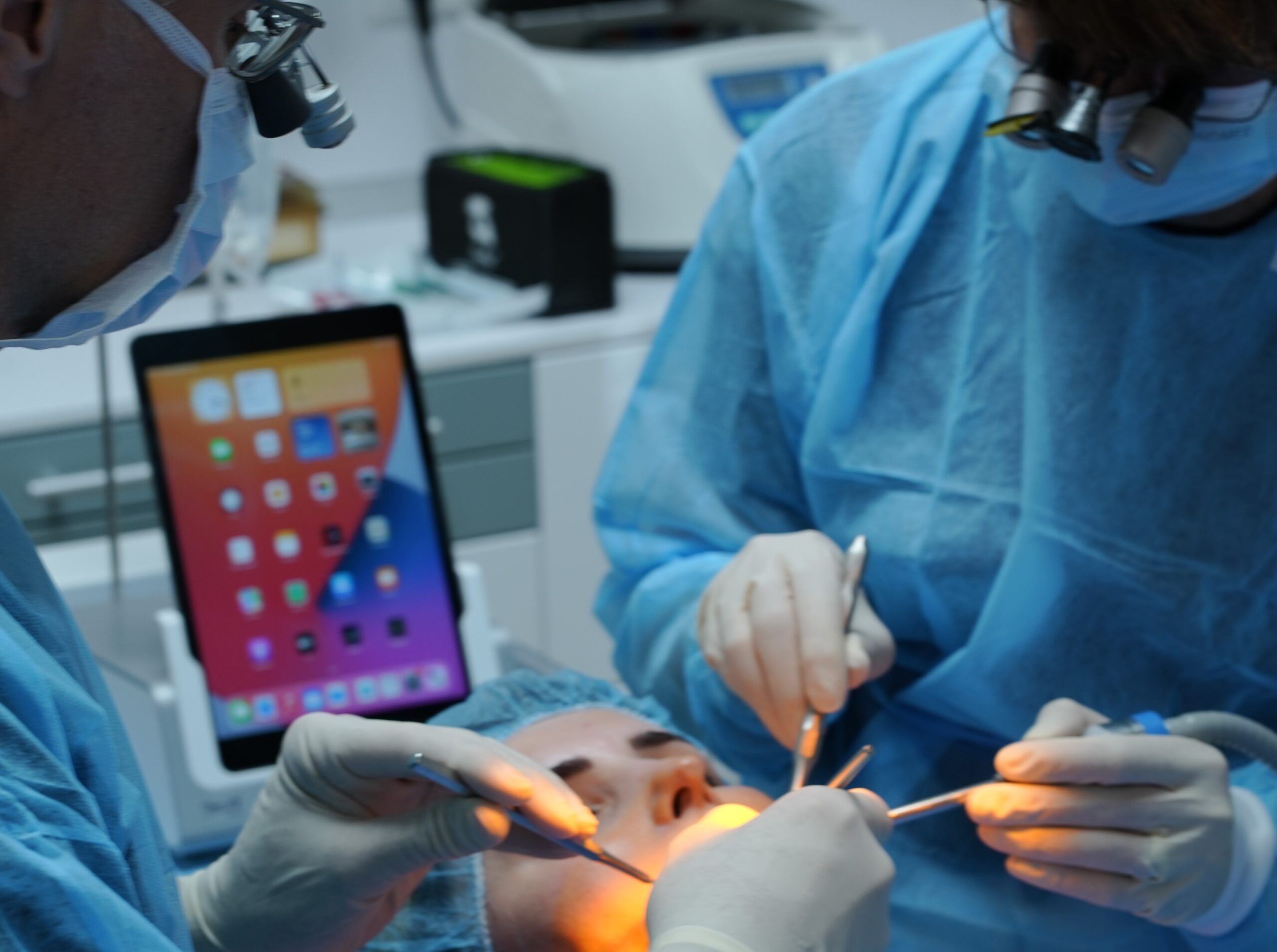
Implantology is a particular focus at ZAK. We do not plan implants in isolation, but in the context of the entire oral situation: bone availability, gingiva, bite, adjacent teeth, aesthetics, general health, and the subsequent prosthetic restoration.
We begin with a detailed consultation, a thorough examination, digital diagnostics, and an honest assessment of the possibilities. Only then do we develop an individualized treatment plan—from planning through the surgical procedure to healing, dental prosthesis, and follow-up care.
Depending on the findings, minimally invasive surgical methods, piezosurgery, bone augmentation, sinus lift, PRF, and antimicrobial photodynamic therapy for bacterial reduction may be part of the treatment plan. The appropriate form of anesthesia, sedation, or general anesthesia is also discussed individually.
Our goal is an implant-supported restoration that is medically sound, functionally stable, aesthetically appropriate, and maintainable long-term. That is why we approach implantology at ZAK comprehensively: from the initial consultation to the completed restoration and regular follow-up care.
Comprehensive Implantology at a Glance
- Digital diagnostics and individualized 3D planning
- Minimally invasive surgical methods and regenerative procedures
- Bone augmentation, sinus lift, and PRF as needed
- Local anesthesia, sedation, or general anesthesia
- Dental prosthesis and follow-up care from a single source
Implantology with an Experienced Team
Implant treatments at ZAK are carefully planned and performed by an experienced team. Surgical expertise, digital diagnostics, prosthetic planning, and subsequent restoration are closely integrated.
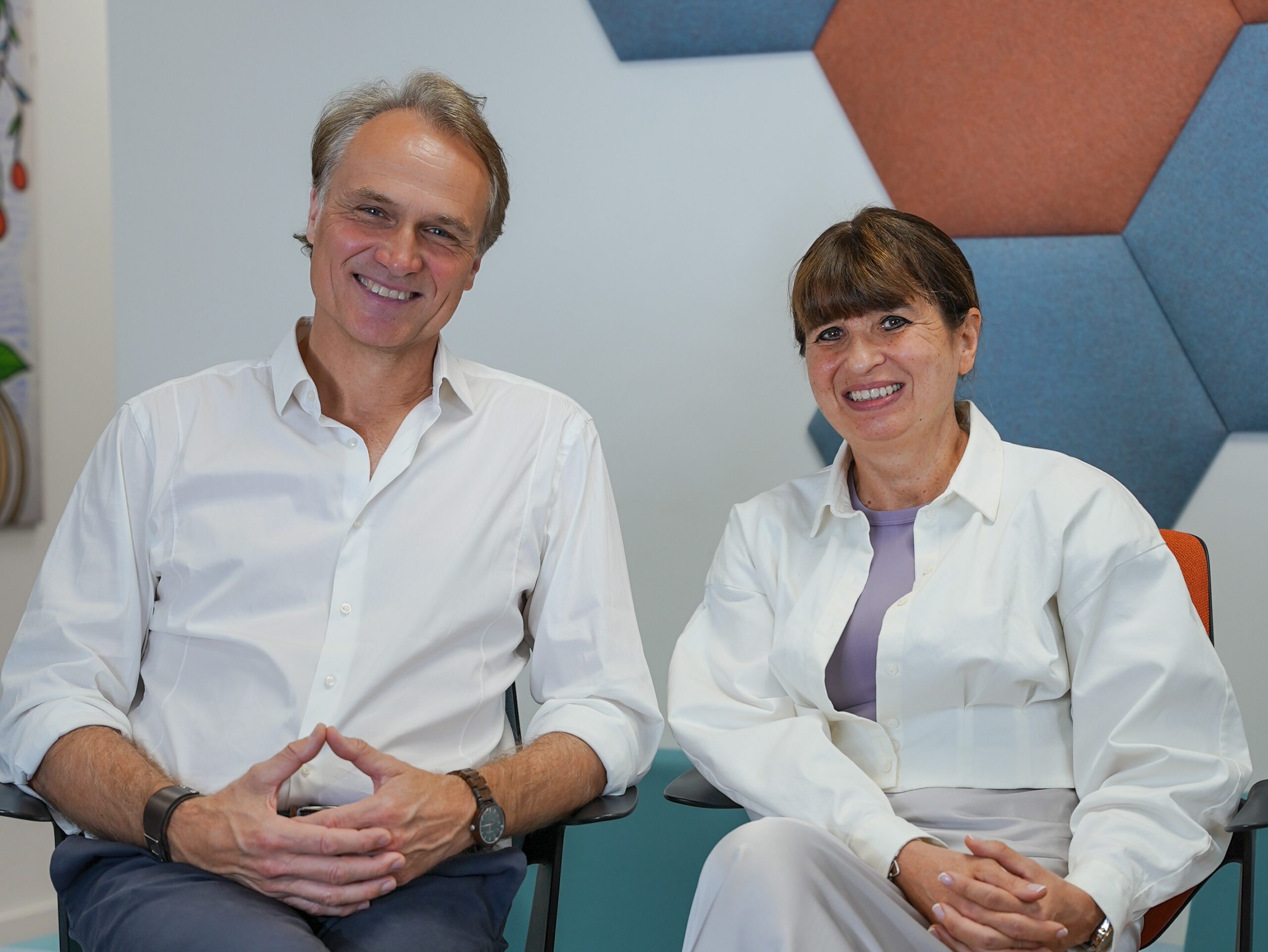
The collaboration between Dr. med. stom. Andreea Krauss and Prof. Dr. Ingo Voges enables structured implant treatment—from the initial consultation through the surgical procedure to the completed restoration and follow-up care.
Dr. med. stom. Andreea Krauss & Prof. Dr. Ingo Voges
Dr. Andreea Krauss has been continuously active in implantology since 2006. Prof. Dr. Ingo Voges is an integral part of the surgical team and present at every operation. For surgical and implant procedures, ZAK organizes dedicated surgical days on which preparation, assistance, sterile instruments, materials, and follow-up care are exclusively focused on these treatments. In this way, we combine surgical experience, prosthetic planning, and long-term care in a clearly structured workflow.
Initial Consultation, Findings, and Honest Assessment
Every implant treatment begins with a detailed consultation. We clarify which teeth are missing, what symptoms are present, what expectations you have, and what restoration makes sense long-term.
We then assess the entire oral situation: existing teeth, gingiva, bone availability, bite position, adjacent teeth, existing dental prostheses, and possible risk factors. General medical conditions, medications, smoking, or previous dental experiences may also be important for planning.
On this basis, we discuss realistic options. An implant is not always automatically the only solution. Depending on the situation, bridges, removable dentures, combined restorations, or preparatory treatments may also be appropriate.
Our goal is a clear and honest recommendation: What is possible, what is medically sound, and which approach suits your personal situation?
Digital Diagnostics and Precise Planning
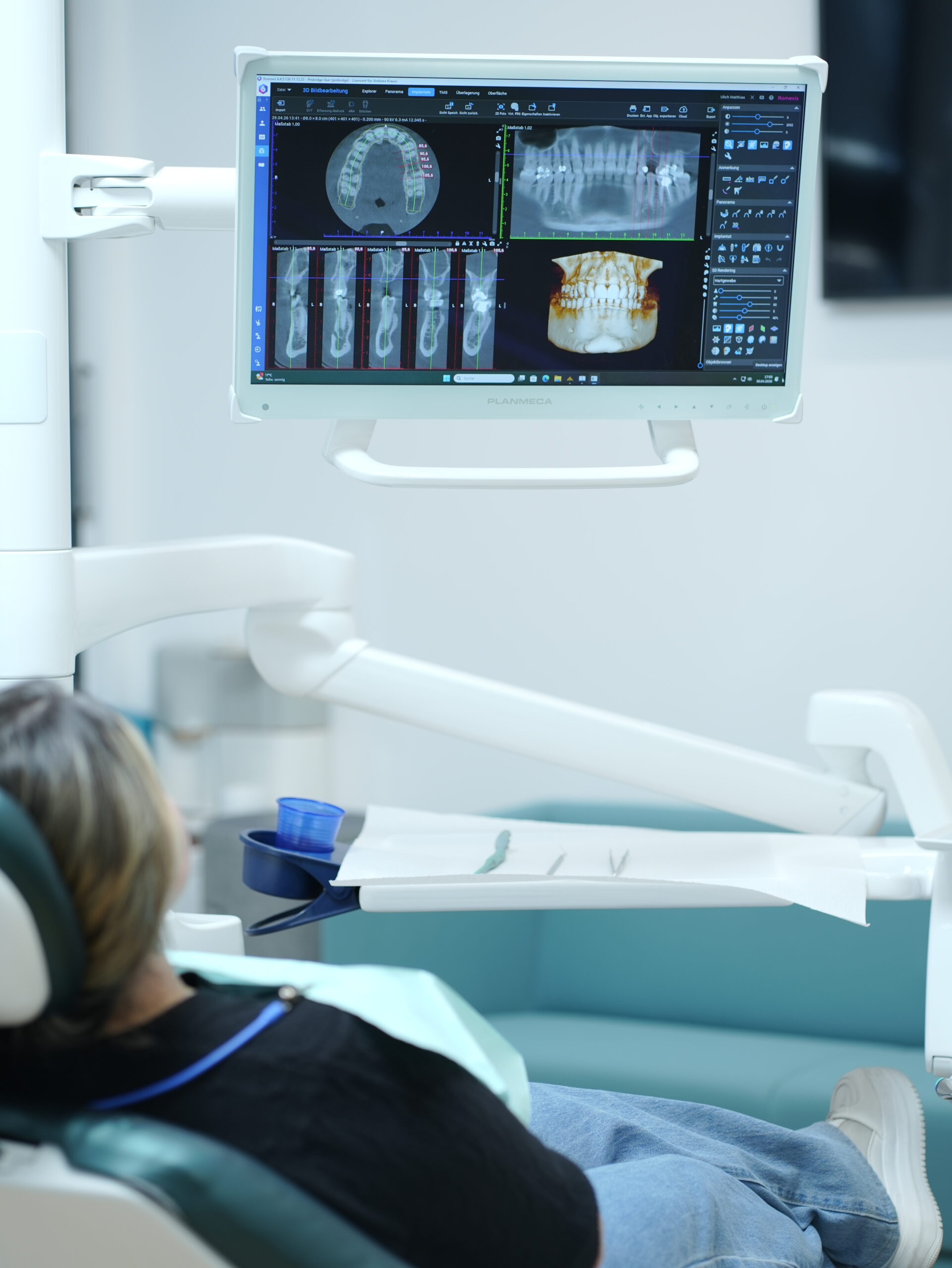
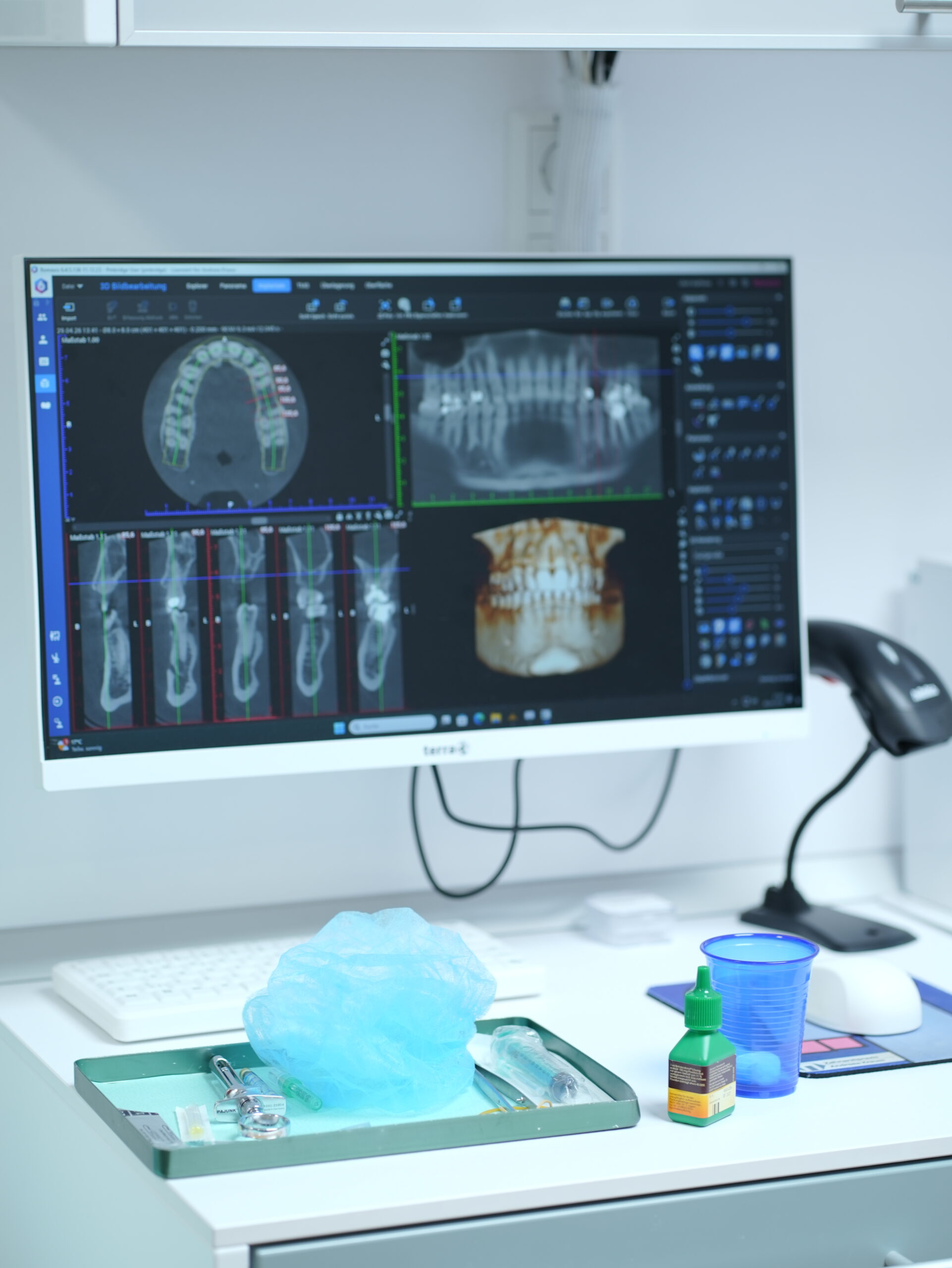
Implant treatment does not begin in the operating room. Planning beforehand is critical. At ZAK, we use digital diagnostics, intraoral scans, and digital volume tomography to assess the initial situation as precisely as possible.
An important distinction: Even at this stage, the subsequent prosthetic restoration is planned. The implant is therefore not only placed where bone is available, but planned where a crown, bridge, or implant-supported dental prosthesis can later be functionally and aesthetically appropriate.
We consider bone availability, gingiva, adjacent teeth, nerve pathways, maxillary sinus, bite situation, and the desired final tooth form. The position, angulation, and number of implants are planned with the subsequent dental prosthesis in mind.
In this way, we integrate diagnostics, surgery, and prosthetics from the outset. The treatment plan is not based on a single procedure, but on the intended final result.
Minimally Invasive Surgical Methods for Rapid Healing
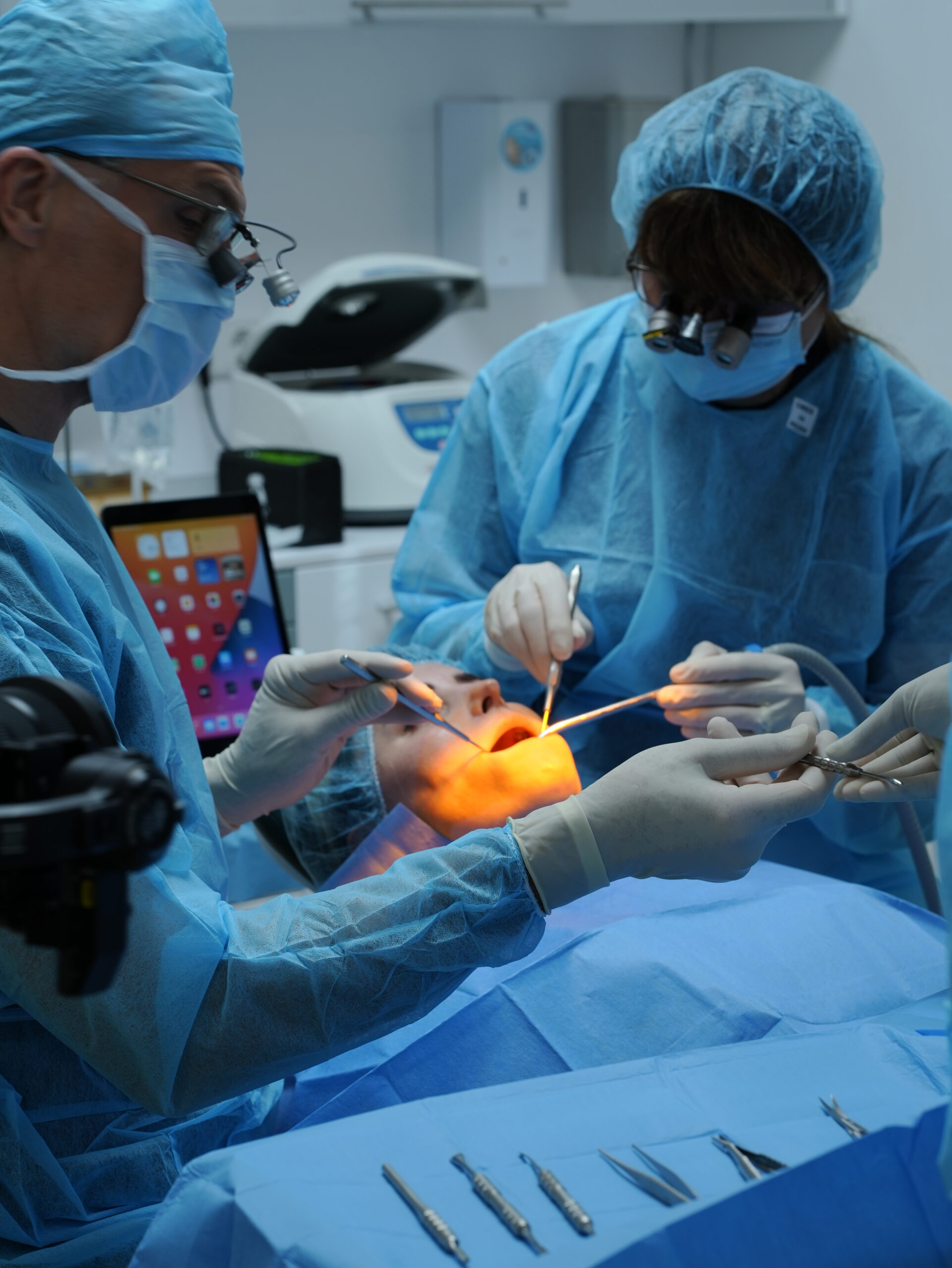
Minimally invasive surgical methods are not a secondary consideration at ZAK, but a central component of implant planning. The goal is a precise procedure that respects bone, gingiva, and surrounding structures as much as possible and supports the healing phase favorably.
We focus on careful preparation, minimally invasive access, tissue-preserving techniques, and clear surgical protocols. When indicated, piezosurgery can be used to work on bone in a particularly controlled and precise manner.
In our experience, many patients report surprisingly minimal discomfort after implant procedures. While healing is always individual, minimally invasive surgical techniques, sterile protocols, calm assistance, good follow-up care, and clear behavioral instructions contribute to making the postoperative phase as comfortable and symptom-free as possible.
This is also why we discuss what to watch for after the procedure beforehand.
Anesthesia, Sedation, and General Anesthesia
Bone Augmentation, Sinus Lift, and Regeneration
Sufficient bone for an implant is not always available. After tooth loss, inflammation, or prolonged edentulism, the jawbone can resorb. That is why we assess before every implant plan whether the available bone is sufficient for stable restoration.
If additional bone is necessary, we plan appropriate augmentative procedures individually. These may include bone augmentation, sinus lift, or other regenerative measures. What is always critical is that implant position, bone, gingiva, and subsequent dental prosthesis are compatible.
To support healing, regenerative procedures such as PRF can be used. This involves using autologous components from the blood to support healing processes.
In certain bacterially compromised situations, antimicrobial photodynamic therapy for bacterial reduction may also be part of the treatment plan.
The goal is a stable foundation for the implant and subsequent restoration—planned with attention to function, aesthetics, cleanability, and long-term care.
Controlled Support During Healing
After the surgical procedure, the osseointegration phase begins. During this time, the implant gradually integrates with the bone. The duration depends on the initial situation, bone availability, possible augmentation procedures, and individual healing response.
We support this phase with clear behavioral instructions and regular follow-ups. We monitor wound healing, gingiva, loading situation, and the further course until prosthetic restoration.
If a provisional restoration is necessary during the healing period, it is planned individually. The goal is to maintain aesthetics and function as well as possible without unnecessarily loading the implant or bone augmentation.
The healing phase is an important part of implant treatment. It is not left to chance, but supervised in a controlled manner—until the next step can be safely planned.
After the procedure, we discuss in detail what to watch for in the first days: cooling, diet, oral hygiene, physical exertion, and medication. This way, patients know what is normal, when a follow-up is advisable, and how they can actively support healing.
Dental Prosthesis on Implants
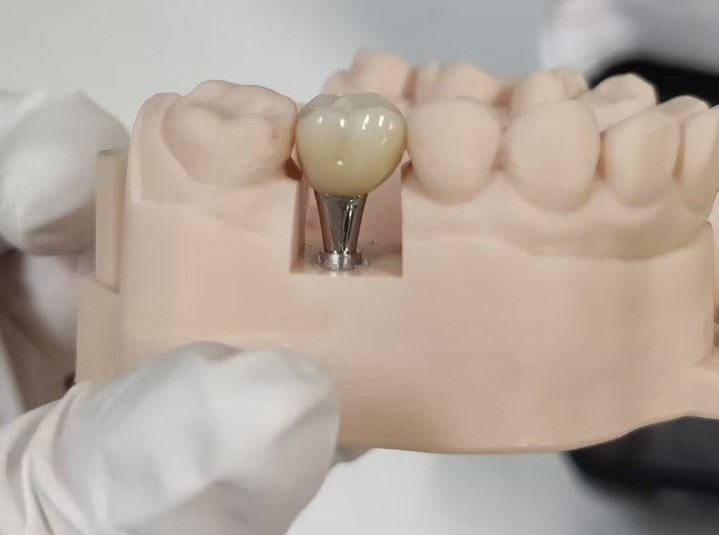
An implant initially replaces the artificial tooth root. What is critical for patients, however, is the subsequent restoration: crown, bridge, or a larger implant-supported construction.
At ZAK, the dental prosthesis is incorporated into implant planning early. After the osseointegration phase, we reassess the situation and plan the prosthetic restoration based on function, bite, aesthetics, cleanability, and long-term stability.
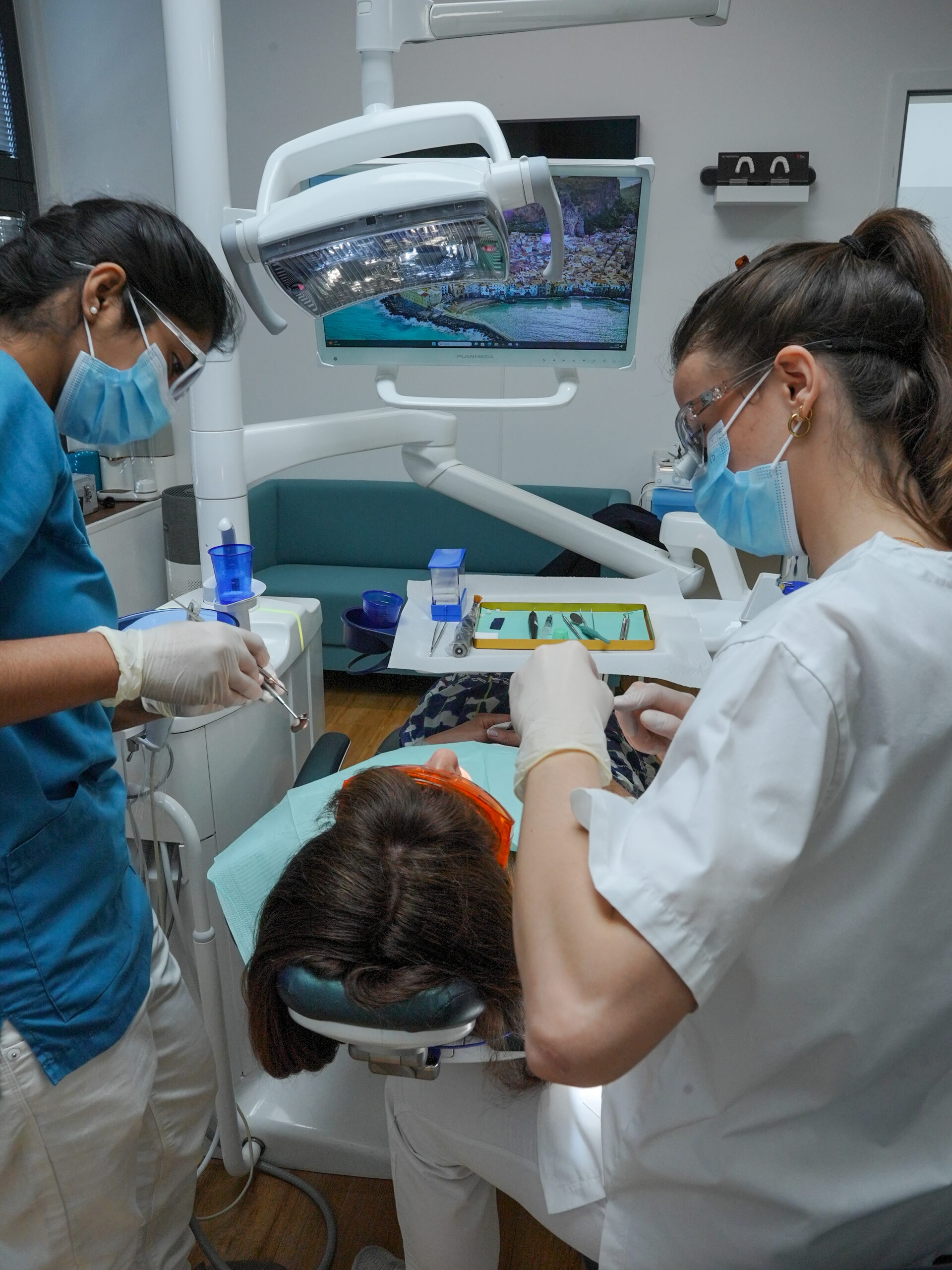
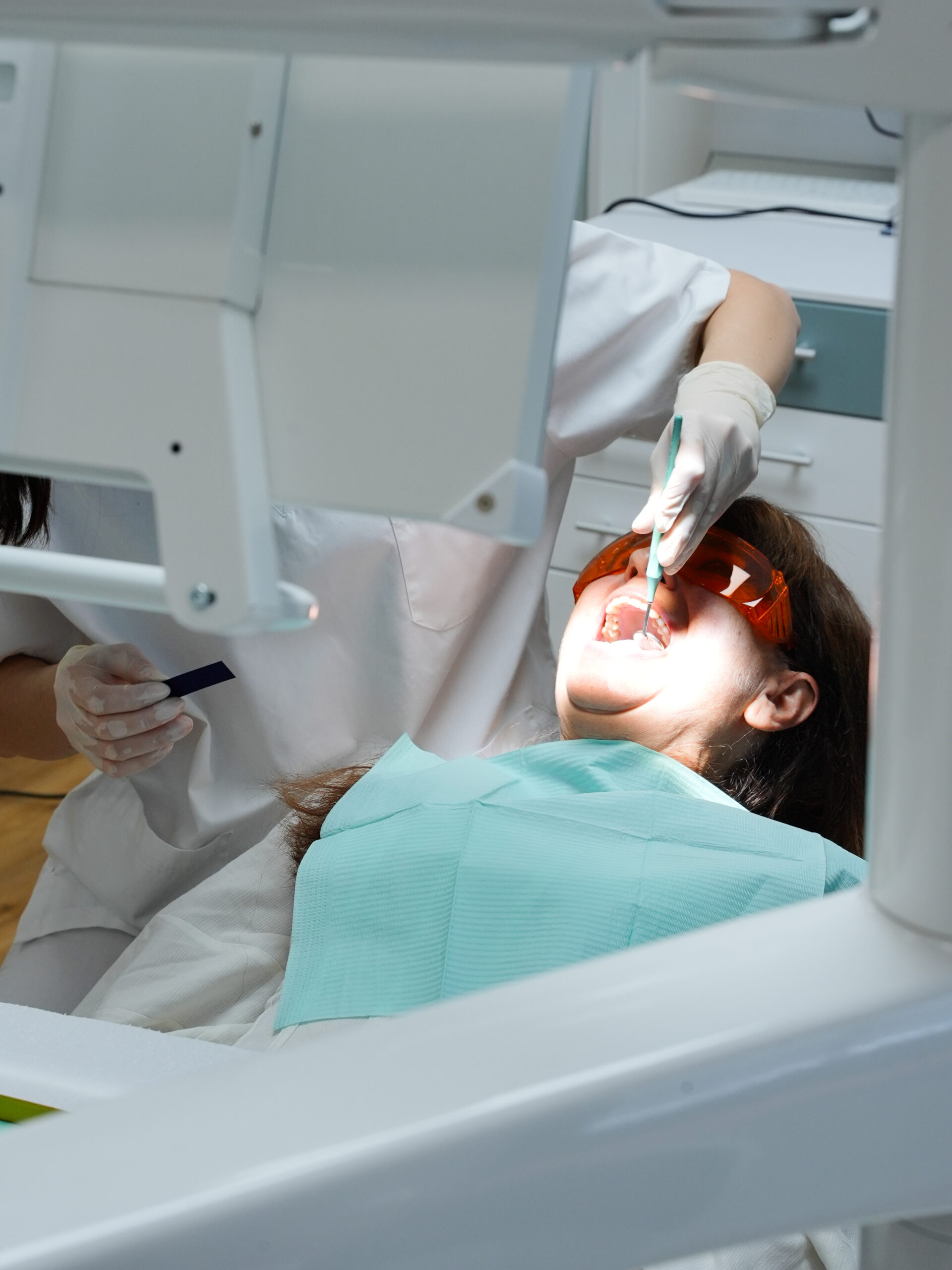
With an intraoral scanner, the required information can be captured digitally and used directly for further planning.
Through the in-house dental laboratory, planning, design, and fabrication remain closely connected to treatment. Form, color, contact points, and bite can be coordinated directly.
Follow-Up Care for Long-Term Stability
Implant treatment does not end with the insertion of the dental prosthesis. For long-term success, regular follow-ups, good home care, and professional maintenance are critical.
We monitor implants, gingiva, bone, bite, and dental prosthesis at individually determined intervals. We watch for signs of inflammation, cleanability, loading, and the stability of the entire restoration.
Implants require adapted cleaning. During prophylaxis, implants, gingiva, and dental prosthesis are gently monitored and professionally cleaned.
Small changes in gingiva, bite, or dental prosthesis should be detected early. This way, problems can often be treated before major damage occurs.
Depending on the initial situation, general health, periodontitis risk, number of implants, and type of restoration, we recommend appropriate follow-up and prophylaxis intervals.
Our goal is not only a good result after treatment, but a restoration that can be maintained, monitored, and preserved long-term.
Our Safety Concept in Implantology
Implant procedures require not only experience, but also stable workflows, reliable technology, and careful preparation. That is why ZAK has developed a safety concept that integrates surgical planning, team structure, material availability, hygiene, and technical redundancy.
Two surgically experienced practitioners on the team
Implant operations at ZAK are planned and supervised by an experienced team. Dr. med. stom. Andreea Krauss and Prof. Dr. Ingo Voges bring together surgical and implantological expertise—especially important in more complex initial situations, bone augmentation, sinus lift, or treatments under sedation and general anesthesia.
Redundant technology in the background
Critical supply systems are redundantly designed. These include compressed air, suction, and water treatment. In the area of sterilization and reprocessing, central workflows are also technically and organizationally secured. This way, important functions do not depend on a single component.
Prepared for complex procedures
For implant procedures, we maintain a broad range of materials, implant components, surgical accessories, and regenerative materials. This allows treatments to be prepared in a structured manner and supervised flexibly and safely during the procedure.
High-quality materials and implant systems
We work with proven implant systems and high-quality materials. The goal is a restoration that is surgically stable, prosthetically sound, well maintainable, and supportable long-term.
Focus during the operation
For more extensive implant procedures, the practice workflow is purposefully organized. Treatment rooms, sterile instruments, assistance, materials, and technical systems are prepared so the team can focus entirely on the procedure.
Dedicated care
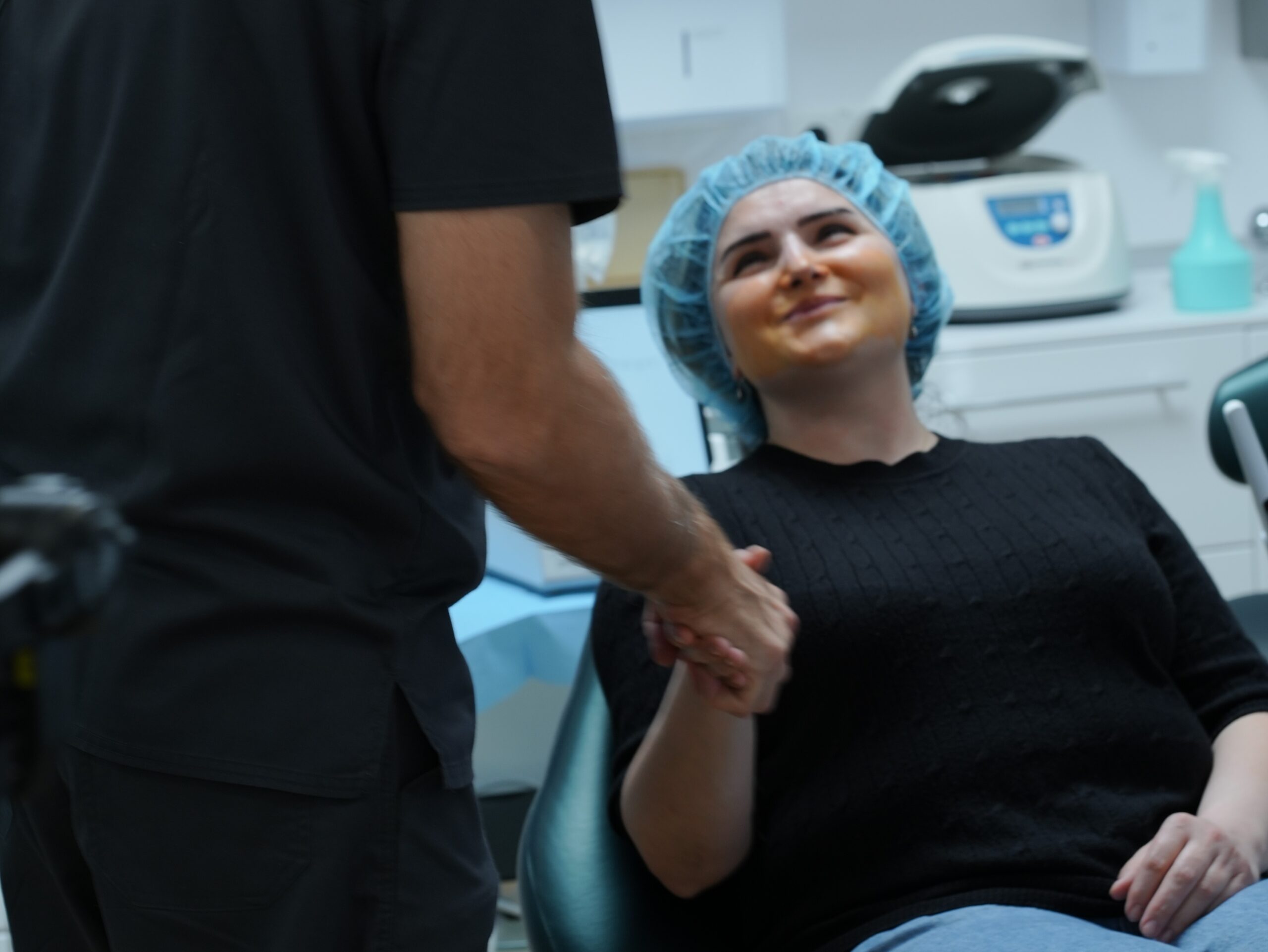
Patients are closely supervised before, during, and after the procedure. From preparation through the operation to the recovery phase, follow-up, and aftercare, care remains clearly structured and personal.
Dedicated surgical days
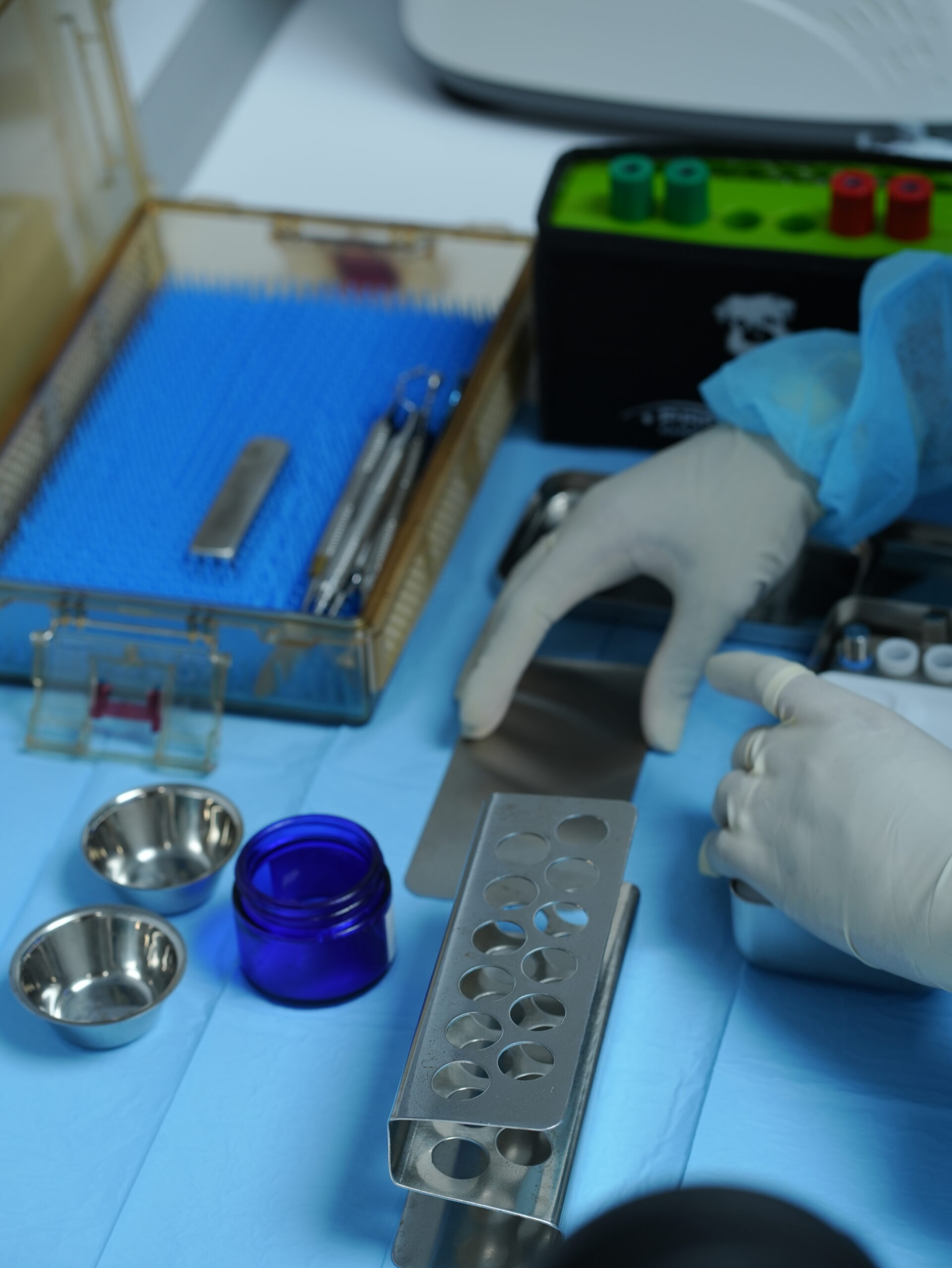
On dedicated surgical days, the practice is reserved exclusively for surgical procedures. Other patients have no access to the treatment area. This allows hygiene, preparation, materials, assistance, and surgical workflows to be implemented in a particularly controlled manner.
Safety in Implant Procedures
- Two surgically experienced practitioners on the team
- Redundant compressed air, suction, and water treatment
- Secured workflows in sterilization
- Extensive material and implant availability
- High-quality implant systems and regenerative materials
- Structured surgical preparation
- Focus on hygiene, calm, and personal care
- Close supervision through follow-up care
- Dedicated surgical days
- Minimally invasive treatment with focus on complication-free healing
Would you like to know if implants are suitable for you?
We will advise you individually, assess your initial situation, and explain clearly what implant options are available—from a simple single-tooth gap to complex restoration with bone augmentation, sedation, or general anesthesia.
Implantology